 blog
blog
Best Med Spa for Body Contouring: 2026 Guide
Table of Contents
- What Body Contouring Actually Is (and What It Is Not)
- The Difference Between Fat Reduction and Weight Loss
- How to Compare Body Contouring Technology at Any Med Spa
- Non-Invasive Fat Reduction Cost: What Drives the Price
- Body Contouring Recovery Time and Downtime
- Benefits of Physician-Led Med Spas for Body Sculpting
- Safety Red Flags to Watch for When Choosing a Provider
- How to Set Realistic Expectations and Maintain Your Results
- Frequently Asked Questions
- Resources:
Last Updated: September 27, 2026
What Body Contouring Actually Is (and What It Is Not)
Body contouring is a group of non-invasive and minimally invasive treatments designed to reduce stubborn fat pockets and improve the shape of specific areas, not to lower overall body weight.
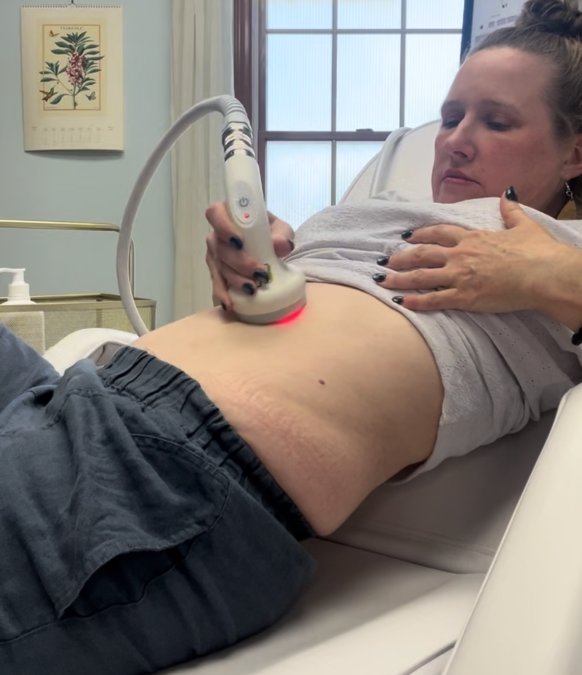
Dr Parrish using Tshape 2 on herself
The Difference Between Fat Reduction and Weight Loss
Weight loss reduces the total number of fat cells' stored volume across the whole body, usually through diet, exercise, or medical weight management. Fat reduction targets specific pockets, such as the lower abdomen or flanks, that resist diet and exercise. A common mistake is expecting a contouring session to deliver the same result as a GLP1 program. They solve different problems, and many clients benefit from both under one treatment plan.
How to Compare Body Contouring Technology at Any Med Spa
Comparing med spas on technology means comparing mechanisms, not marketing. Two clinics can advertise "fat freezing" and deliver very different experiences depending on the device, the applicator size, the number of cycles, and who runs it. Ask three questions at every consultation: What is the exact device name and manufacturer? Who will operate it and what is their training? How many treatments of this type does the practice perform in a typical month?
Cryolipolysis, Radiofrequency, and Laser: A Comparative Breakdown
Cryolipolysis is an older technology and applies controlled cooling and freezing of fat through a vacuum applicator to crystallize fat cells, which the body then clears over the following weeks. It is used on pinchable, discrete fat pockets, the kind you can grab between two fingers, rather than diffuse thickness across a broad area. Common treatment zones have typically included the lower abdomen, flanks, and under the chin. Downtime was typically none, though temporary numbness, redness, or a dull ache in the treated area is common and usually resolves within days to a couple of weeks.
Warning: Cryolipolysis is not for skin laxity of any amount as it will actually worsen skin laxity. Think of a deflated balloon, this is what happens when you remove fat without increasing collagen and tissue plumpness with cryolipolysis.
Modality | Mechanism | Best For | Typical Downtime |
|---|---|---|---|
Cryolipolysis | Controlled cooling crystallizes fat cells | Discrete, pinchable fat pockets | None to minimal |
Radiofrequency | Heat stimulates collagen and disrupts fat | Loose or crepey skin, face and body contouring | None |
Laser lipolysis | Light energy targets fat and tissue | Fat reduction plus skin quality | Minimal |
Matching the Modality to Your Body Type and Goal
A useful way to think about it: cryolipolysis is an old technology to treat volume, while radiofrequency is a texture and tightness tool, and laser lipolysis is a hybrid that treats fat, cellulite and skin laxity. If you can pinch the fat and the skin over it is firm, cryolipolysis was thought of as the starting point but now we know it will worsen skin laxity and crepiness. For that reason, I recommend RF combined with a laser platform.
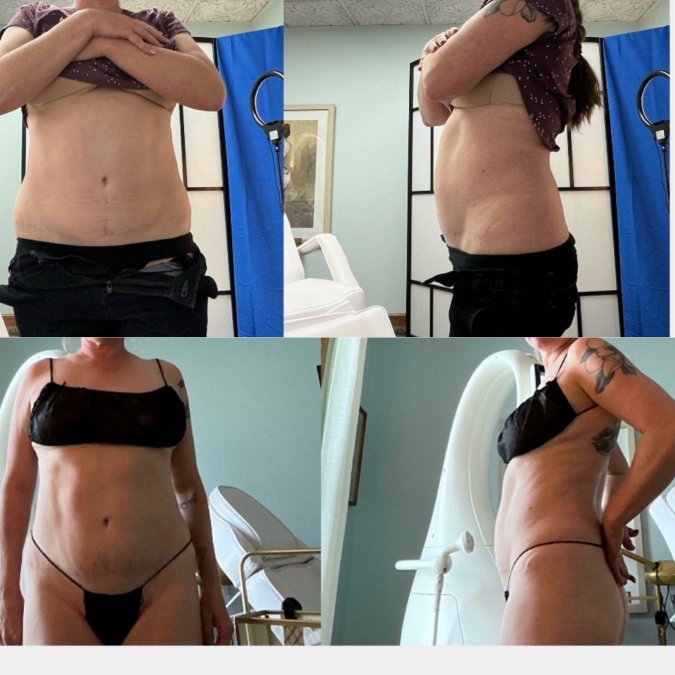
Tshape 2 is a cutting edge device I imported directly from Italy that combines these modalities for profound results. Rather than deflating the balloon like the fat freezing devices, this device comfortably warms the tissues and results in fat and cellulite reduction while simultaneously increasing skin plumpness and tightness. It’s a win win!
EMS Technology
EMS technology adds a powerful muscle-focused dimension to noninvasive body contouring by using electromagnetic stimulation to trigger deep, supramaximal muscle contractions that are difficult to achieve through voluntary exercise alone. These contractions can help strengthen, tone, and define targeted areas such as the abdomen, glutes, thighs, and arms, making EMS an ideal complement to T-Shape 2. While EMS focuses on building and engaging the underlying muscle, T-Shape 2 works at the surface and surrounding tissue level with technologies designed to support fat reduction, improve circulation and lymphatic drainage, and enhance the look of skin texture and firmness. Together, the treatments create a more complete contouring strategy: addressing muscle definition, stubborn fullness, and skin quality for a smoother, more sculpted-looking result.
What Clinical Results to Expect From Each Modality
Results build gradually as the body clears treated cells or remodels collagen, so most people see change over several weeks to a few months rather than overnight. A single cryolipolysis cycle typically produces a modest, gradual reduction in the treated pocket rather than a dramatic transformation, and many plans use multiple cycles or areas to reach the goal. RF and laser results tend to emerge as collagen remodeling progresses, which can take weeks to months.
Non-Invasive Fat Reduction Cost: What Drives the Price
Pricing depends on the technology used, the number of treatment areas, how many sessions your plan requires, and the credentials of the provider. A single small area costs less than a multi-area plan, and physician-led practices often price higher because a medical professional designs and oversees your care.
Body Contouring Recovery Time and Downtime
Most non-invasive treatments involve little to no downtime. Many clients return to normal activity the same day, though mild redness, tenderness, or swelling in the treated area is common and usually fades within days. Recovery period varies by modality and by how your body responds. (Source: American Society for Dermatologic Surgery's patient statistics)
- Cryolipolysis: usually no downtime
- Radiofrequency: return to activity immediately
- Laser: minimal downtime, possible short-term sensitivity
- EMS: little to no downtime, possible short-term muscle soreness
Benefits of Physician-Led Med Spas for Body Sculpting
A physician-led med spa brings medical oversight to every stage, from screening to follow-up. That matters because body contouring is not right for everyone, and a qualified provider will tell you when a treatment is not appropriate for your situation.
Safety Red Flags to Watch for When Choosing a Provider
Watch for a clinic that skips a real consultation, cannot name the device or who operates it, or promises guaranteed results. Those are signs the practice prioritizes volume over patient safety.
- No medical screening before treatment
- Unclear credentials of the practitioner
- Pressure to buy packages before you understand the plan
- No honest discussion of risks or limitations
How to Set Realistic Expectations and Maintain Your Results
Most dissatisfaction with body contouring traces back to a mismatch between what a patient expected and what the technology can actually deliver. Setting expectations before treatment, and having a maintenance plan after, is the difference between a result you are happy with and one you regret.
What Body Contouring Cannot Do
Body contouring is not a weight-loss treatment. It does not lower the number on the scale in any meaningful way, and it is not a substitute for medical weight management, diet, or exercise. It also cannot tighten significantly loose skin the way a surgical procedure can, and it will not correct muscle separation or address internal fat around organs. If a provider promises dramatic weight loss or a surgical-level result from a non-invasive session, that is a red flag, not a selling point.
A Realistic Timeline for Results
Results build gradually. Most people notice early changes in the treated area within a few weeks, with more visible change over two to three months as the body clears treated cells or remodels collagen. Final results are typically assessed around the three-month mark. If you have a wedding, vacation, or event in mind, plan to start treatment at least three to four months ahead so results have time to develop.
Post-Treatment Maintenance: What Actually Helps
Maintenance is less about a single trick and more about consistency. The habits that preserve contouring results are the same ones that support overall health:
- Stable weight. Avoid large swings in either direction. Significant weight gain can enlarge remaining fat cells and blur your result.
- Protein-forward eating. Adequate protein supports lean mass, which in turn supports the shape you are trying to maintain.
- Strength training. Resistance training two to three times per week helps preserve muscle, which contributes to a contoured appearance more than the number on the scale.
- Hydration and sleep. Both support recovery and skin quality, which affect how results look in the mirror.
- Maintenance sessions. Some patients benefit from a follow-up session every six to twelve months, particularly in areas prone to re-accumulation. Ask your provider what cadence makes sense for your body and goals.
Pairing Modalities for a Better Long-Term Result
Contouring works best as part of a broader plan. Some patients pair fat reduction with skin tightening or radiofrequency to support the treated area over time, and others combine contouring with a medical weight management program so that fat reduction and overall weight goals are addressed together rather than in conflict. A good provider will tell you which combination fits your situation, and which one does not.
Frequently Asked Questions
How many sessions of body contouring are typically needed for visible results?
Most non-invasive body contouring treatments require a series of sessions rather than a single appointment. Fat reduction technologies like cryolipolysis often need one to three sessions per area, while radiofrequency and laser treatments may require six to twelve or more sessions. The exact number depends on your body composition, the treatment area, and the specific technology used. A qualified provider will assess your goals during a consultation and map out a personalized treatment plan. Results build gradually over several weeks to months as your body processes the treated fat cells.
Is body contouring safe, and what safety standards should a reputable med spa follow?
Non-invasive body contouring is generally well-tolerated when performed by trained professionals using cleared devices. Reputable med spas operate under physician oversight, use FDA-cleared equipment, and maintain proper training for their staff. Before booking, ask who supervises treatments, what device they use, and how they handle complications. A physician-led practice like Twisted Tree Wellness provides an added layer of safety because a board-certified provider oversees your care. Always disclose your medical history during consultation so your provider can confirm you are a good candidate.
What is the difference between non-invasive fat reduction and surgical procedures like liposuction?
Non-invasive fat reduction uses technologies such as cryolipolysis, radiofrequency, or laser energy to target stubborn fat pockets without incisions, anesthesia, or significant downtime. Surgical options like liposuction remove fat through a cannula and require anesthesia plus a recovery period of days to weeks. Non-surgical treatments suit people close to their goal weight who want to address specific areas. Neither approach replaces weight loss or a healthy lifestyle. A consultation helps determine which path fits your body composition and goals.
How do I know if I am a good candidate for body contouring?
Good candidates are typically adults near their target weight who have stubborn fat pockets that resist diet and exercise. Body composition matters more than a number on the scale. If you have a BMI above 30 or significant weight to lose, a physician-led weight management program may be a better starting point. Your provider will review your medical history, skin elasticity, and treatment goals during a consultation. Honest expectation setting upfront leads to better satisfaction with clinical results.
Choosing the best med spa for body contouring comes down to technology, credentials, and honest guidance, not the flashiest ad. Twisted Tree Wellness offers physician-led care, a personalized treatment plan built around natural-looking results, and the market's only membership for ongoing support. Get started with Twisted Tree Wellness and book a consultation to see what body contouring can realistically do for you.
Resources:
- U.S. Food and Drug Administration — Non-Invasive Body Contouring Technologies
The FDA explains that pulsed magnetic-field muscle stimulators induce muscle contractions and may improve the tone and firmness of abdominal and arm muscles and strengthen, tone, and firm the buttocks, thighs, and calves. This is the most authoritative source for appropriately describing EMS-type/magnetic muscle-stimulation technology.fda - Feasibility Study of Electromagnetic Muscle Stimulation and Cryolipolysis for Noninvasive Abdominal Contouring
This peer-reviewed feasibility study evaluated electromagnetic muscle stimulation alone and in combination with another contouring modality. It found the multimodal approach was safe in the study population and supported the concept of pairing muscle-focused treatment with complementary nonsurgical contouring technologies.pmc.ncbi.nlm.nih - T-Shape 2 manufacturer/distributor technology overview
T-Shape 2 combines radiofrequency, low-level laser energy, and vacuum/mechanical massage in a noninvasive platform intended for thermal, laser, and mechanical tissue remodeling. This supports describing T-Shape 2 as a complementary treatment that addresses tissue and skin-quality goals alongside EMS’s muscle-focused role.artemis